

The spinning stage transforms raw textile fibers into yarn for weaving. It starts with blowing (opening/cleaning fiber bales), then carding to form a sliver. High-quality yarns require combing to remove short fibers. Next, slivers are combined on the drawing frame for evenness, twisted into roving on the roving frame, and spun into fine yarn on the spinning frame. Finally, the winding machine transfers yarn to larger packages, with electronic clearing to remove defects.
-
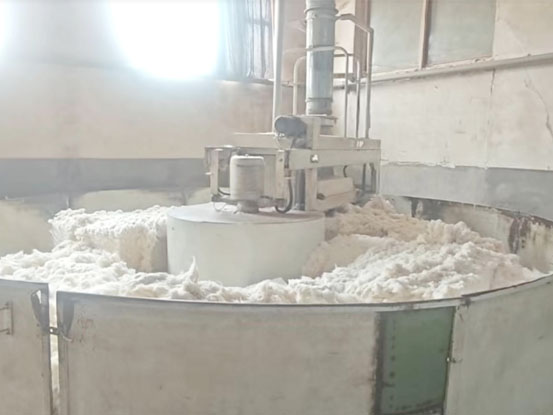
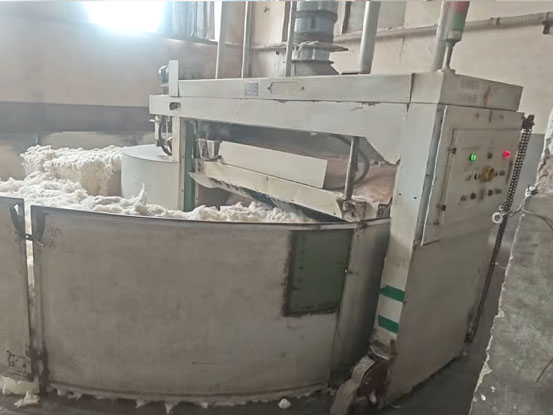
Step 1 blowing/opening & picking
The compressed cotton bales are loosened, cleaned and blended to lay a good foundation for the subsequent carding process.
-
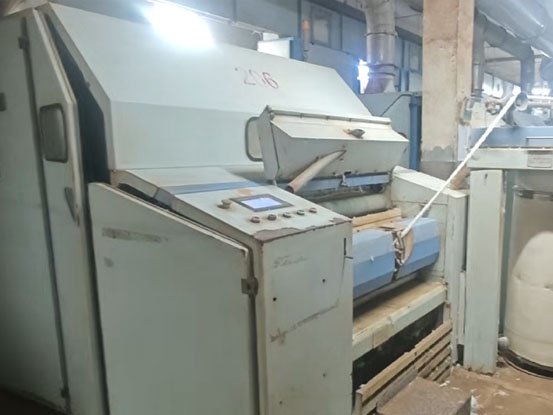
Step 2 Carding
Blocky fibers are loosened into single fibers, fine impurities, neps and short fibers are eliminated, and the fibers are straightened and paralleled to produce uniform card sliver.
-
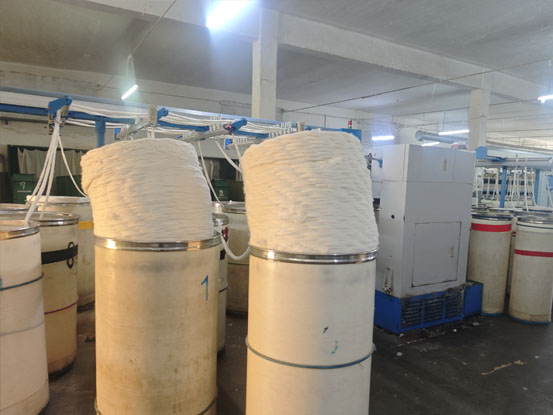
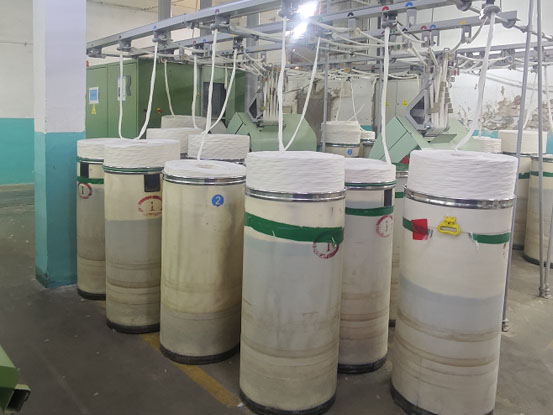
Step 3 Combing
It further eliminates short fibers, neps and impurities, improves fiber uniformity and luster, and is critical for producing high-count, high-quality combed yarn.
-
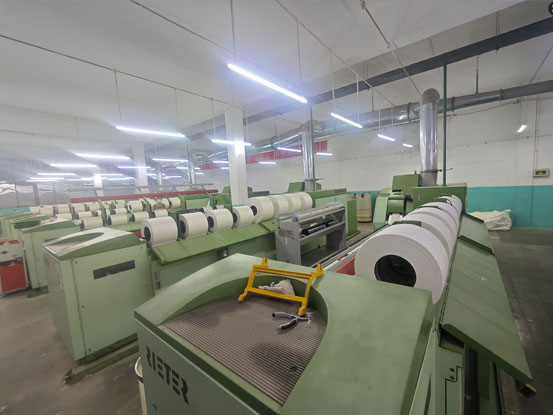
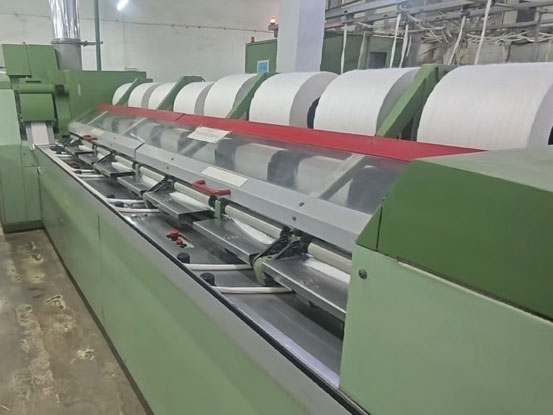
Step 4 Drawing
After combining card slivers, roller drafting is applied to improve long‑range evenness, further straight and parallel the fibers, and produce finished slivers.
-
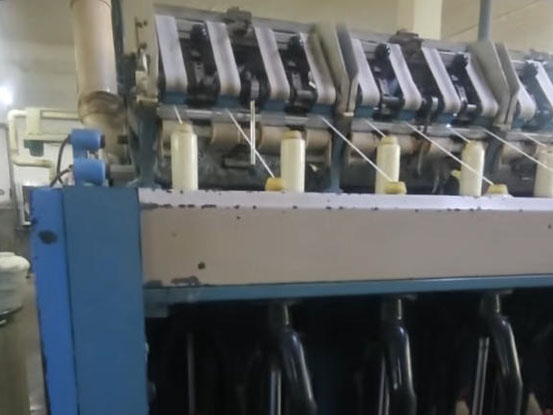
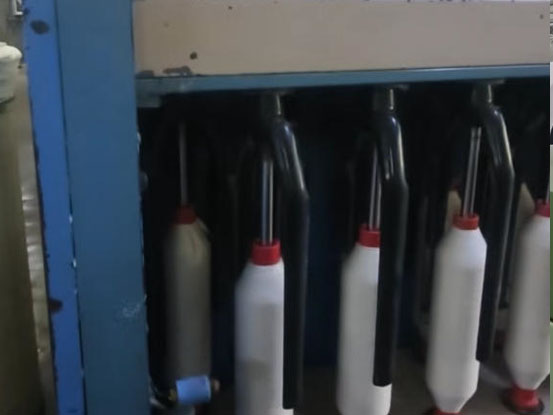
Step 5 Roving
The sliver is drawn finer and lightly twisted to produce roving with sufficient tenacity, which is fed continuously into the spinning frame.
-
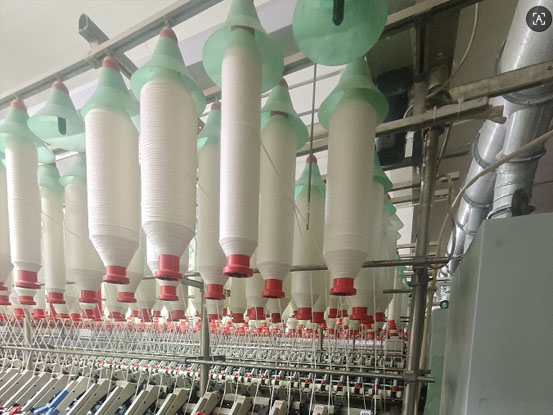
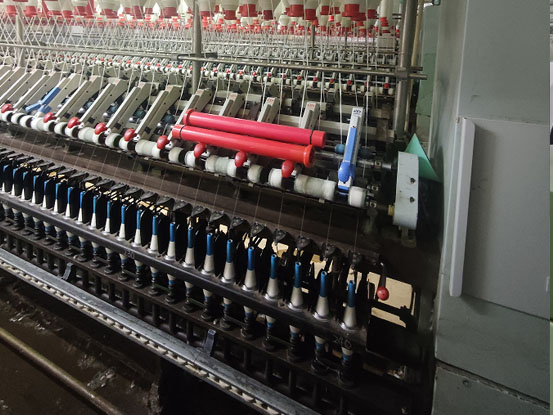
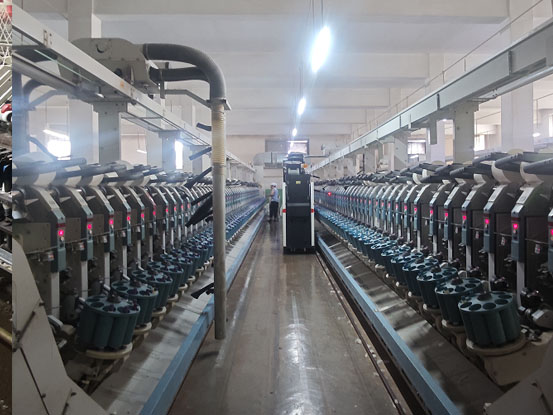
Step 6 Spinning
The roving is drafted down to the required fineness, then twisted into cop with spindles and ring travellers on the ring spinning frame.
-
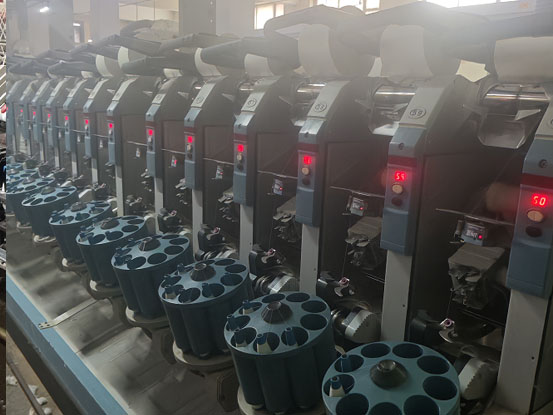
Step 7 Winding
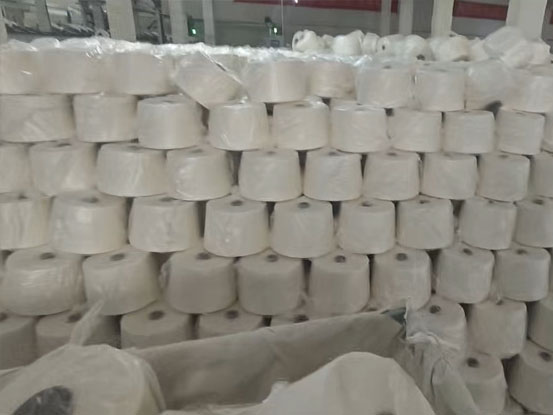
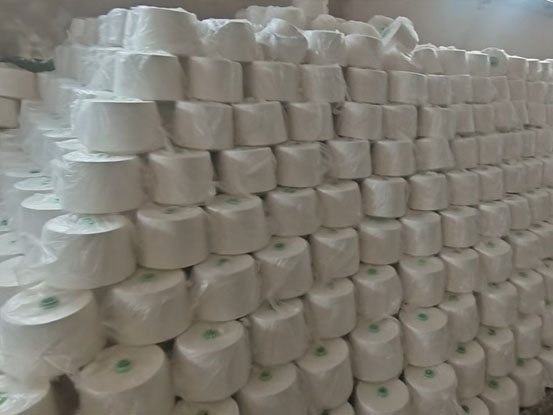
Small cops are wound into large cones, while an electronic yarn clearer accurately removes neps and thick places to connect with weaving preparation..
Before weaving, the raw yarns are first arranged in order via warping. Sizing coats the yarns with a protective coating, and reeding guides each yarn into its correct position.
-
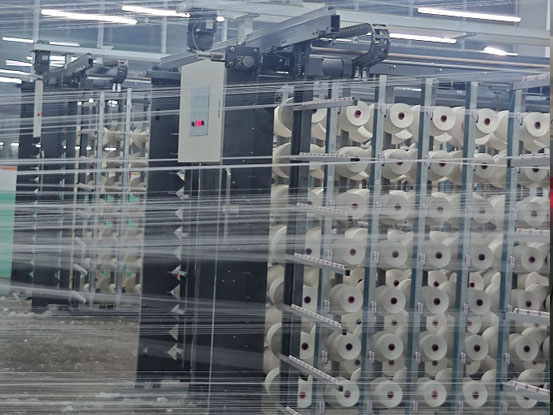
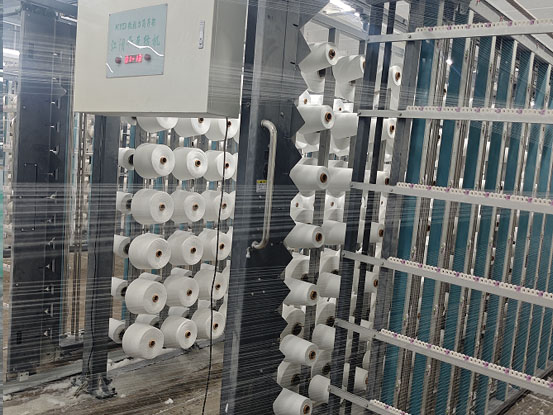
Step 8 Warping
A specified number of warp yarns are wound parallel onto the warp beam with uniform tension at the designated process length, which directly decides the grey fabric width and warp density as the first step of weaving preparation.
-
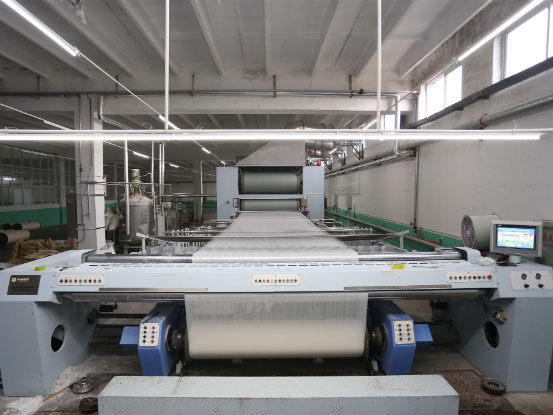
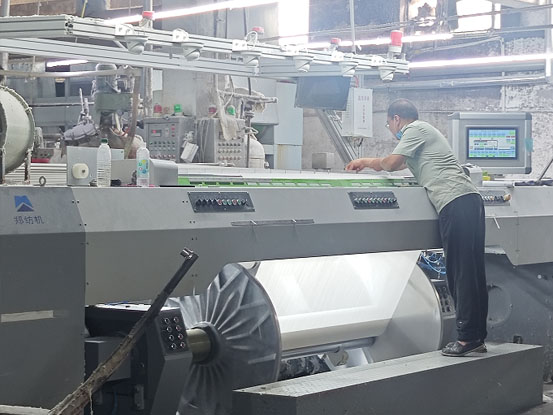
Step 9 Sizing
Starch or chemical sizing agents form a protective coating on warp yarn surfaces to boost tenacity and wear resistance, lay down hairiness, suppress static electricity and substantially lower weaving end breaks.
-
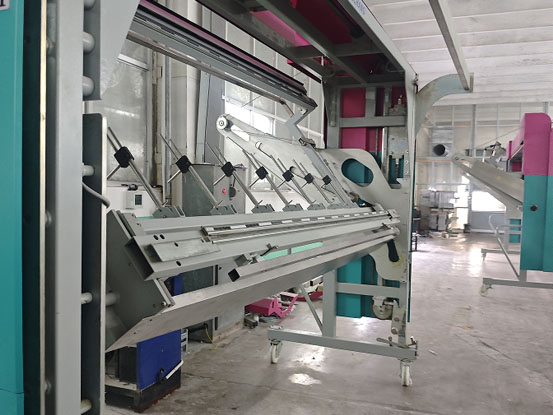
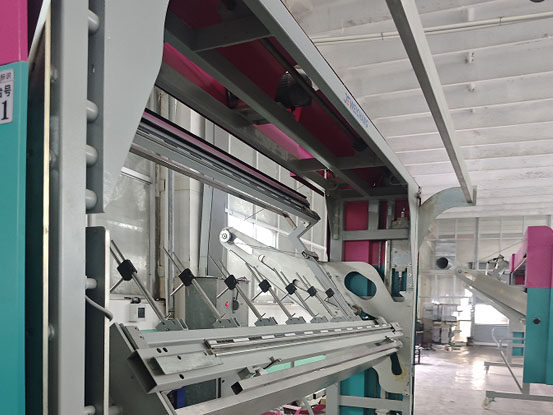
Step 10 drawing-in
Following fabric weave specifications, warp yarns on the loom beam are threaded successively through drop wires, healds and reed to build the fundamental structure for shedding and beating-up.
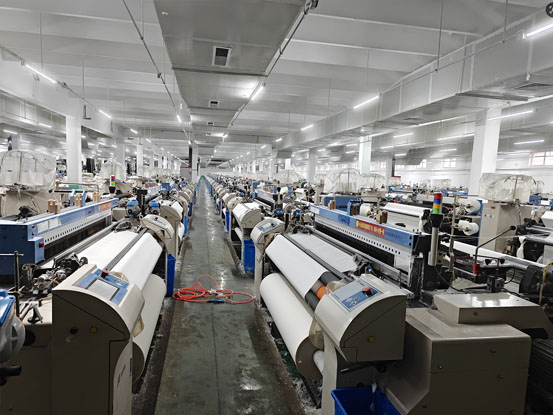
With precise coordination of the five primary motions of the loom, warp yarns and weft yarns are interlaced into grey fabric.
-
Step 1 Shedding
The warp yarns are separated upward and downward to form a shed, creating the necessary passage for weft insertion.
-
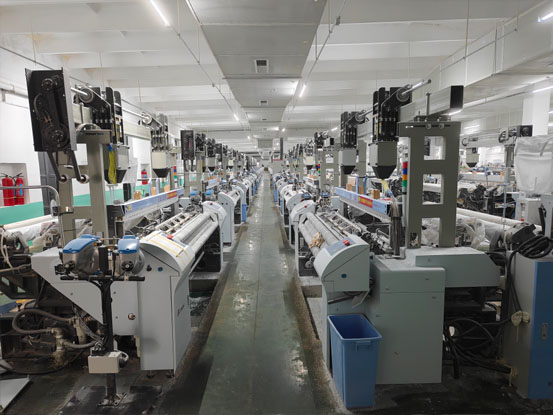
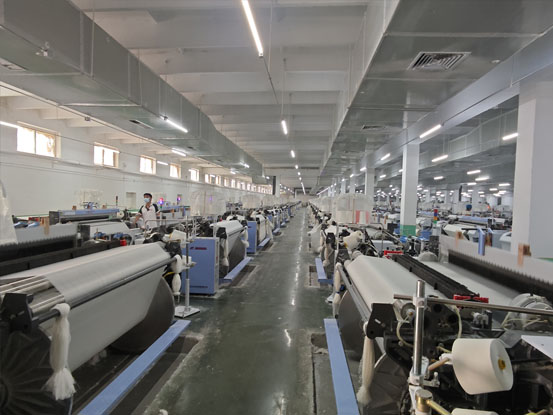
Step 2 Picking
Weft yarn is inserted into the shed to complete interlacing, which is critical for fabric formation.
-
Step 3 Beating-up
The weft is beaten firmly to the cloth fell by the reed, determining the weft density of the fabric.
-
Step 4 Taking-up
Grey fabric is wound out to maintain uniform weft density.
-
Step 5 Letting-off
Warp yarns are let off at a constant speed to maintain stable warp tension.
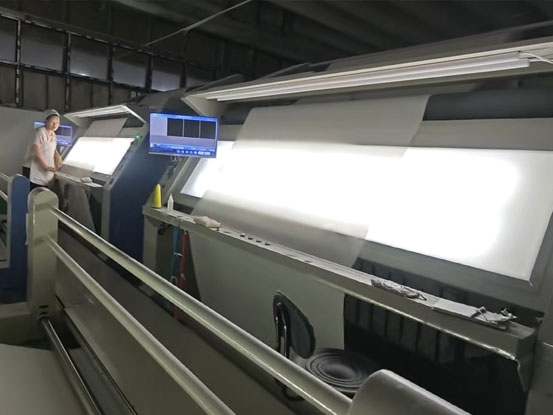
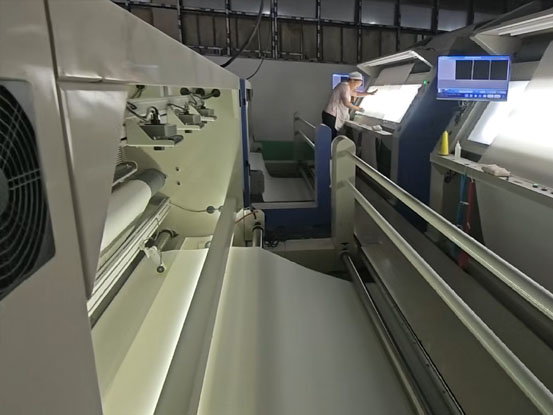
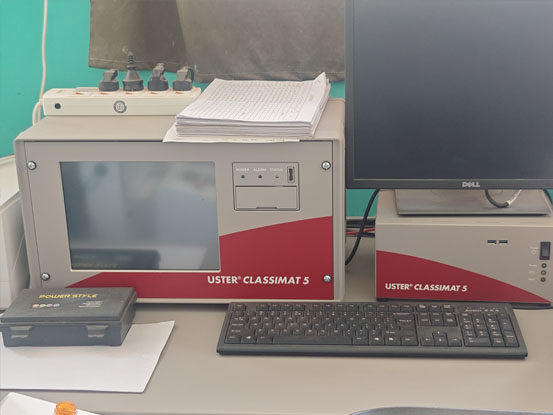
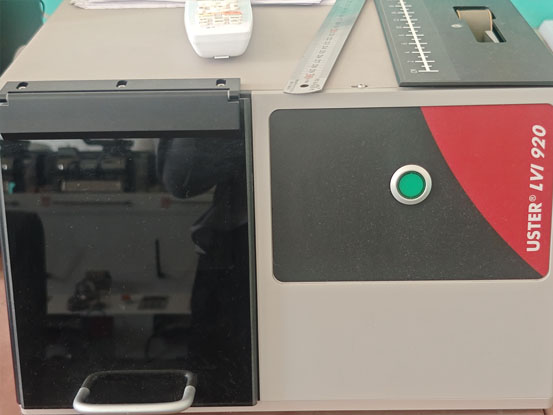
Once grey fabric weaving is finished, it undergoes strict quality and parameter testing to guarantee that key specifications such as width, density and fabric weight meet production requirements, supporting reliable quality for later printing, dyeing and finishing.
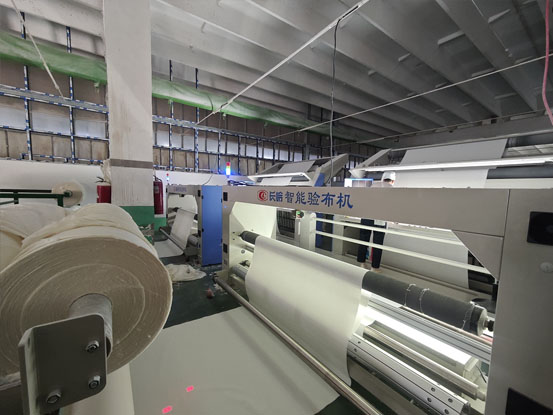
Changling Automatic Fabric Inspection Machine — The first machine of its kind developed and put into service in China
Equipped with laser scanners, it scans the whole fabric surface with no blind zones and pinpoints defect locations precisely. It eliminates missing inspection issues of manual checking and upgrades grey fabric quality.
After weaving, the grey fabric undergoes a thorough quality inspection. The fabric is fed through an inspection machine where inspectors check both sides for defects like broken ends, oil stains, reed marks, etc. Key parameters (width, GSM, density) are verified against specs. Defects are marked, and fabric is graded per AQL or buyer’s system. Approved fabric is rolled via a batching machine, wrapped, and packed into export cartons with shipping marks, ready for shipment.