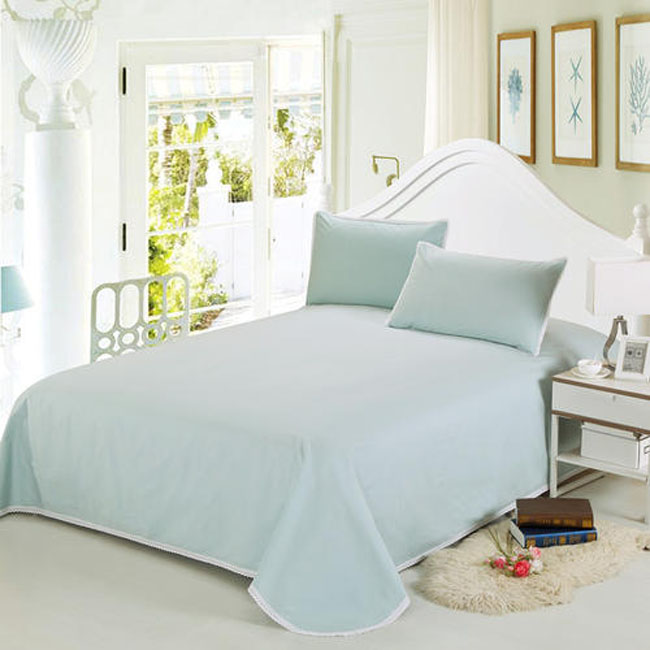
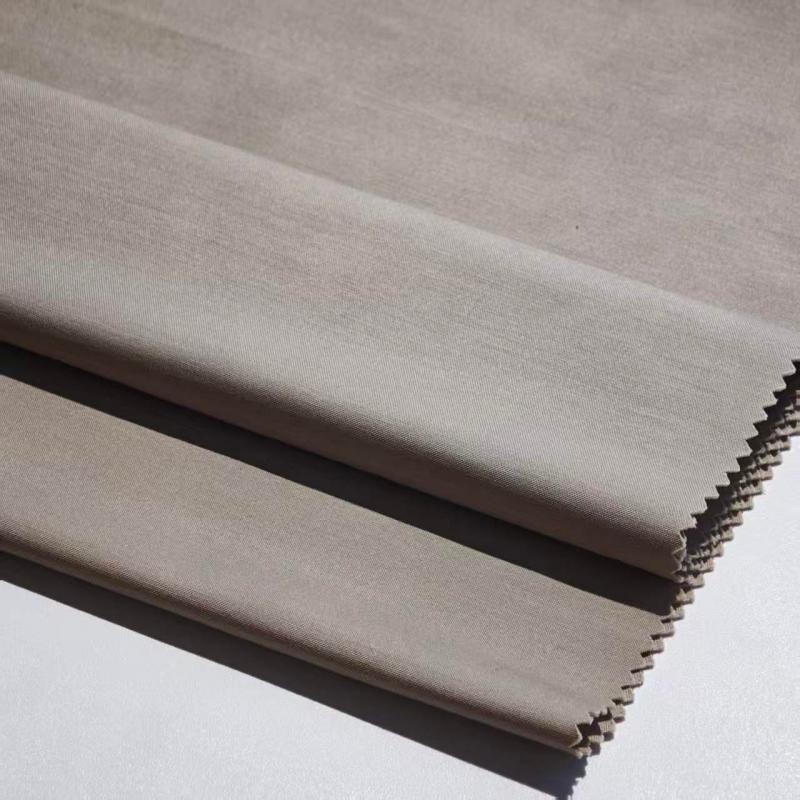
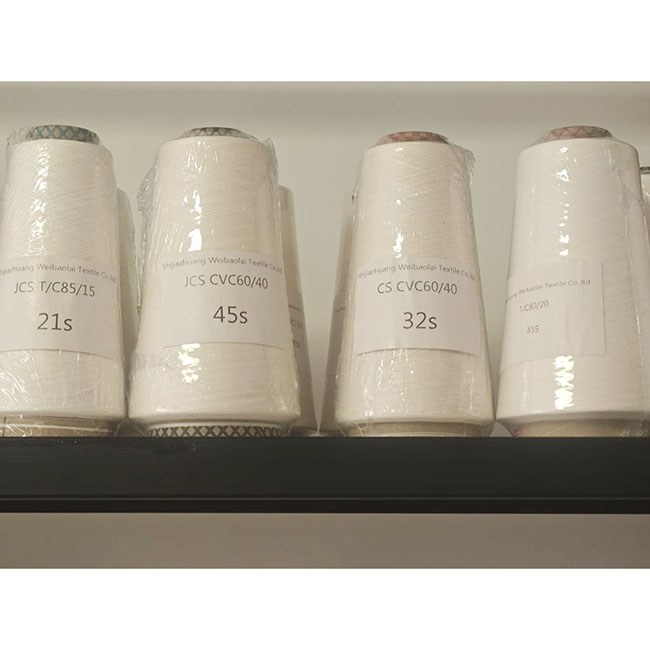
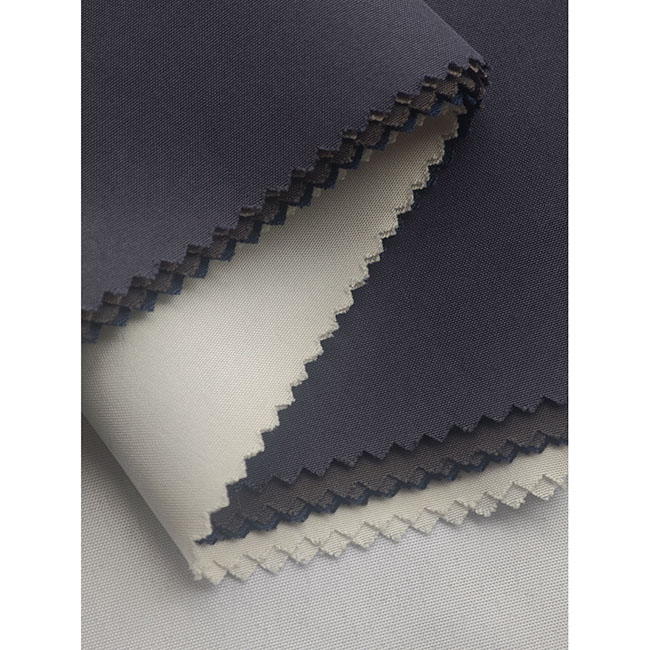
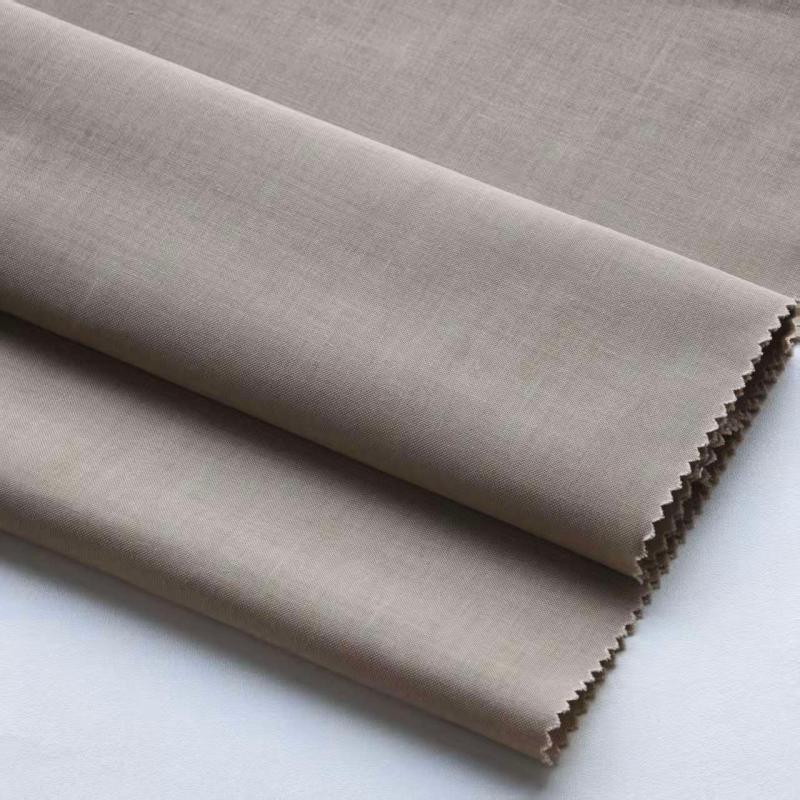
Bedding fabric is the core material for manufacturing bed sheets, duvet covers, pillowcases and other household bedding products, directly determining sleeping comfort, durability and bedroom aesthetics. It is mainly divided into natural fibers, synthetic fibers and blended fibers, each with unique functional characteristics to meet diverse consumer needs and seasonal usage scenarios.
Natural fabrics dominate the high-quality bedding market. As the most mainstream choice, pure cotton features excellent breathability, soft skin-friendliness and moisture absorption, being hypoallergenic and suitable for all ages and sensitive skin. Premium long-staple cotton, including Egyptian cotton and Pima cotton, boasts finer and longer fibers, delivering a silky touch, outstanding toughness and fade resistance, becoming a symbol of luxury bedding. Linen fabric offers superior heat dissipation and antibacterial properties, ideal for hot summer nights, while Tencel made from eucalyptus pulp combines silky smoothness with eco-friendly sustainability, effectively regulating skin temperature.
Synthetic and blended fabrics focus on practicality and cost-performance. Polyester and microfiber fabrics are wear-resistant, wrinkle-free and easy to clean, requiring low daily maintenance. Cotton-polyester blends perfectly balance the softness of cotton and the durability of polyester, avoiding excessive wrinkling while maintaining basic comfort.
In modern bedding design, fabrics are also optimized through fine weaving and environmental finishing processes to enhance breathability, color fastness and softness. A scientific selection of bedding fabrics not only upgrades nightly sleeping quality but also extends the service life of bedding products, creating a cozy and healthy bedroom environment.